
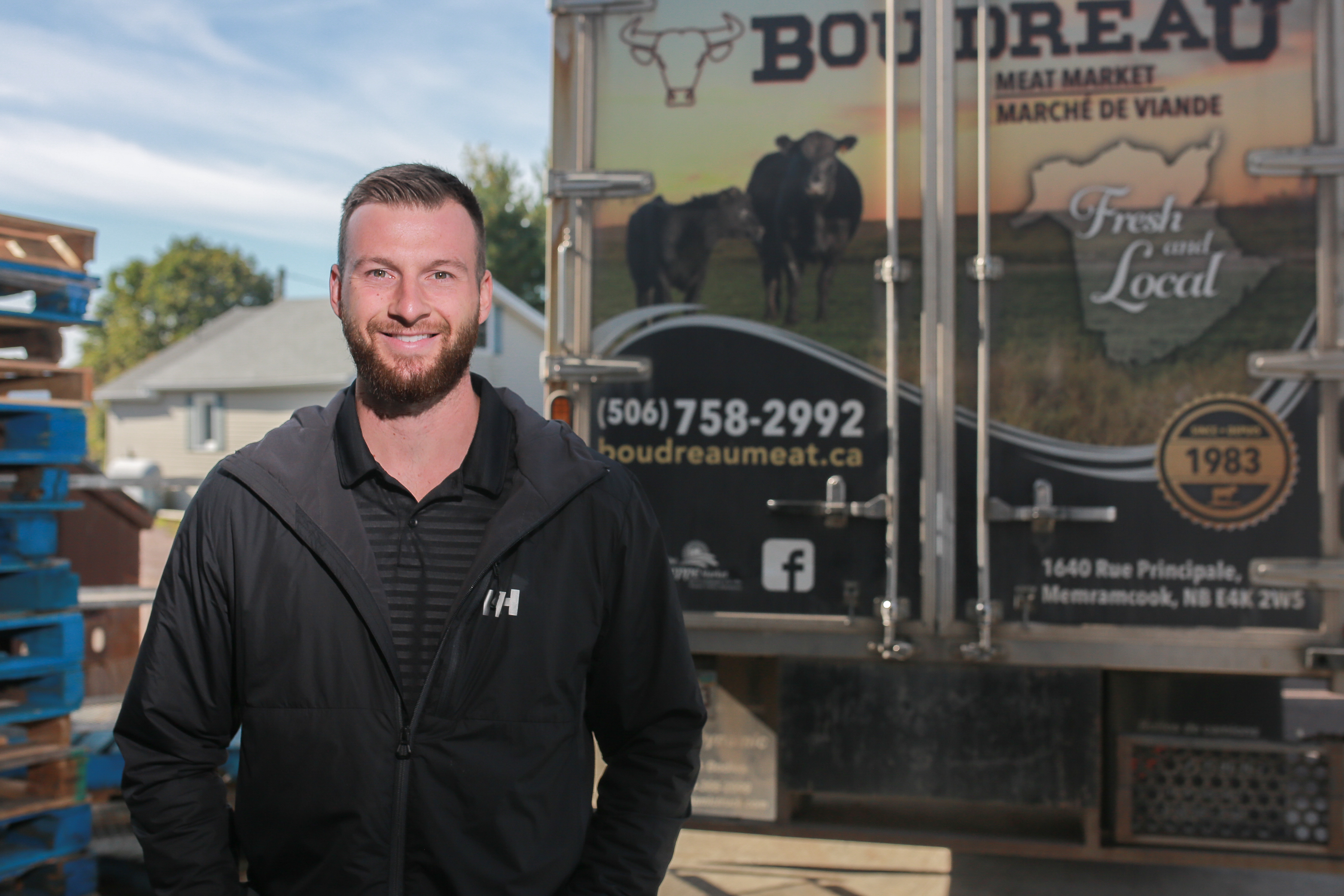
Career Pathways, Training and Workshops
Have you considered agriculture and the agri-food industry? Innovation and technology are changing the way we farm, with new skills and competencies required.
A Workforce Under Renewal
Agriculture is evolving — and so are the opportunities. New talent is needed across a wide range of roles as the sector grows, modernizes, and builds for the future.
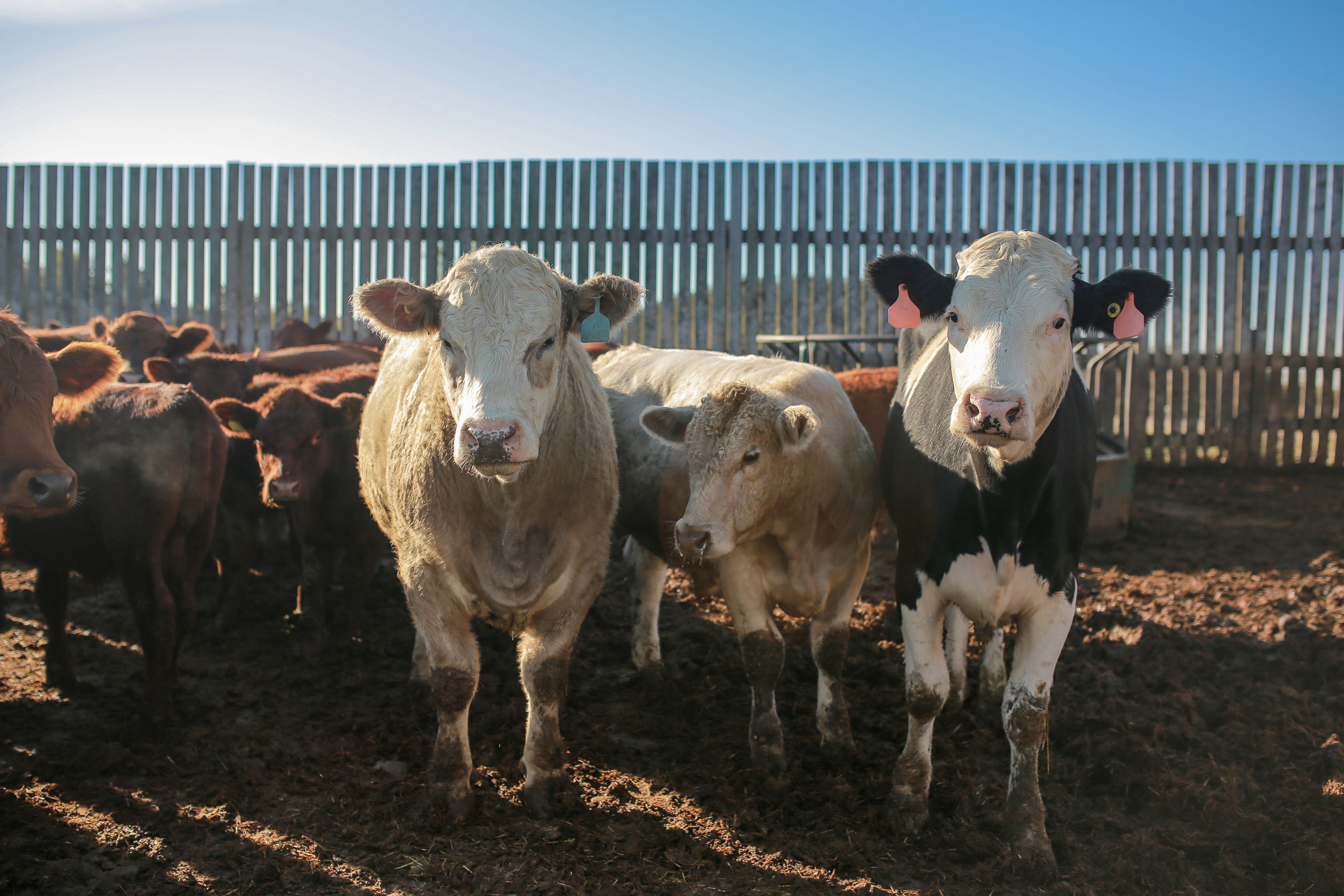
A Workforce Under Renewal
A significant portion of the workforce is approaching retirement, creating opportunities for the next generation.
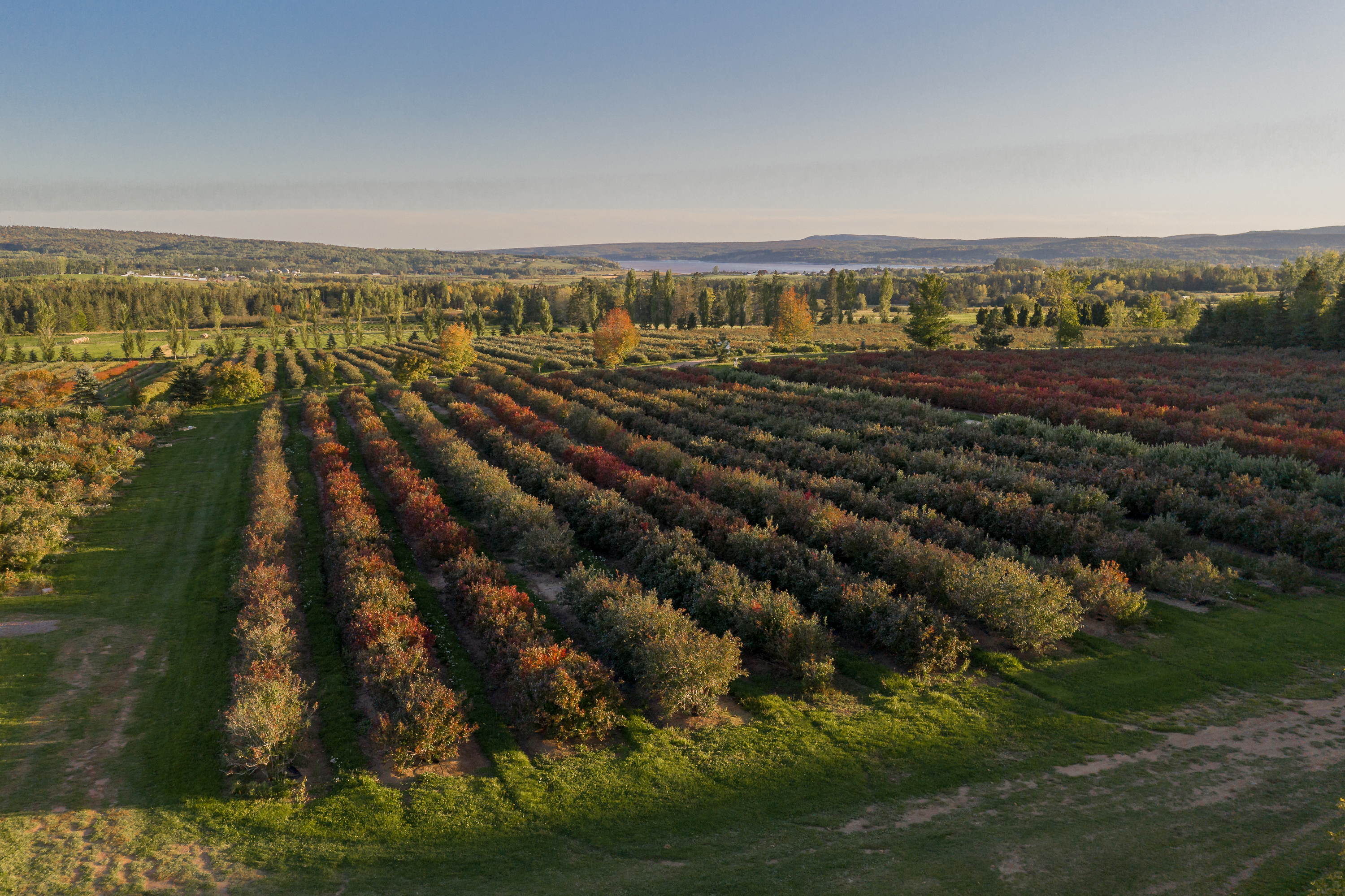
Ongoing Labour Shortages
Employers continue to face challenges finding skilled and reliable workers across many areas.
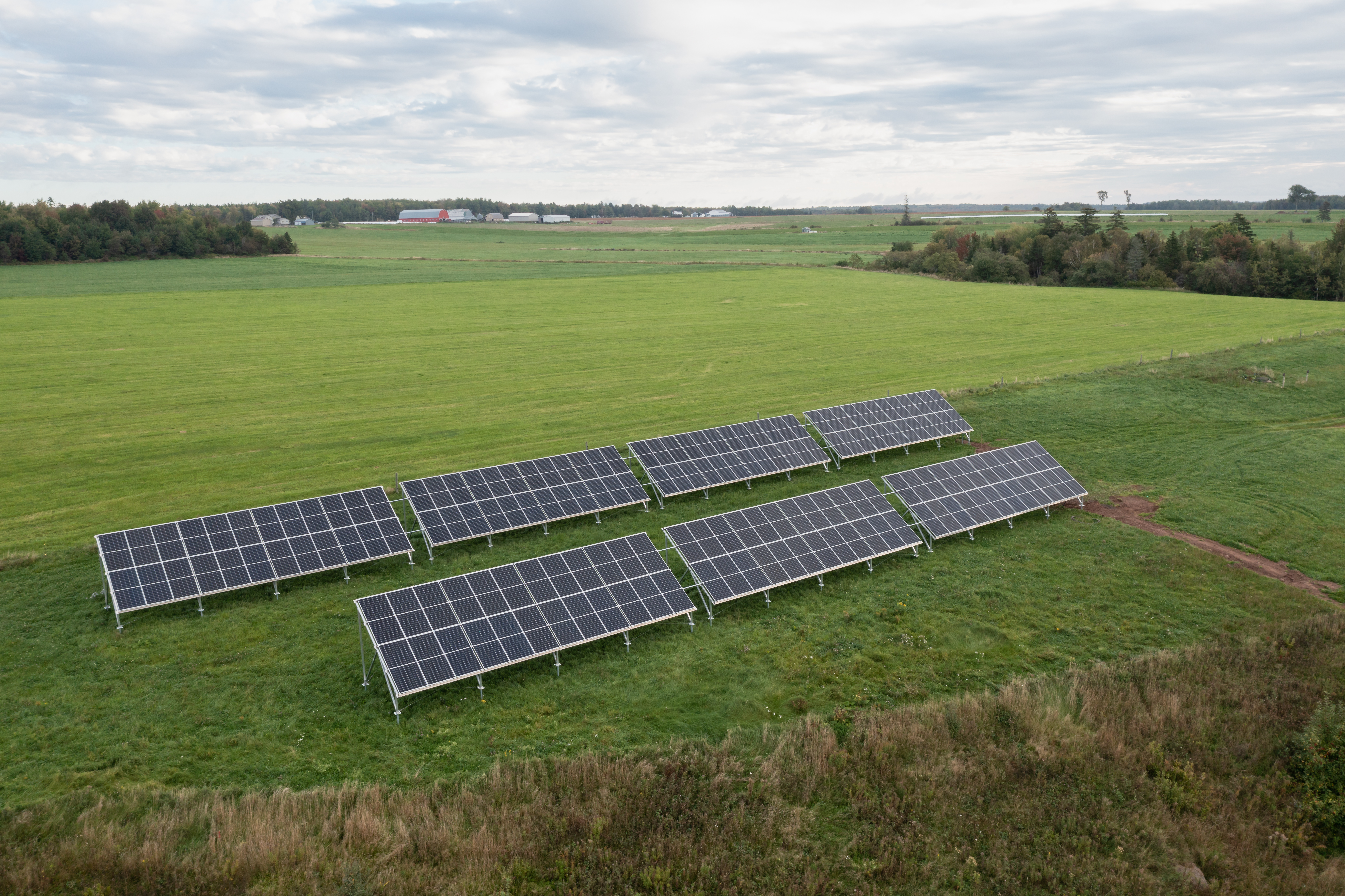
Real Openings for Real People
These workforce gaps create real openings for people entering or transitioning into the agriculture sector.

A Sector Full of Opportunity
Build a rewarding career. Grow with an industry that feeds communities and drives innovation.
Career pathway map
Entry into Agriculture
Build your knowledge through Ag in the Classroom and explore a wide range of career options with AgCareers, from field work to specialized roles.
Training and micro-credentials
College, university, safety, leadership, and technical programs and micro-credentials that deepen capability.
Hands-on placements
Internships, co-op terms, and shared workforce placements that convert learning into practice.
Additional upskilling and continuing-education content will be added here soon.
Field to Fork Career Pathway Map
Explore fourteen interconnected career categories across the agriculture and agri-food system, from field to fork.